

The Broken Shield: Exclusive Study Finds Popular Free Mobile VPNs Leak Data and Track Users
When you download a Virtual Private Network (VPN) on your phone, can come with unexpected compromises. You are choosing to stop trusting your internet service provider or a public Wi-Fi hotspot with your data, and instead handing that trust to the VPN app.
A breakthrough study reveals that many VPN providers may not deserve the trust of hundreds of millions of users.
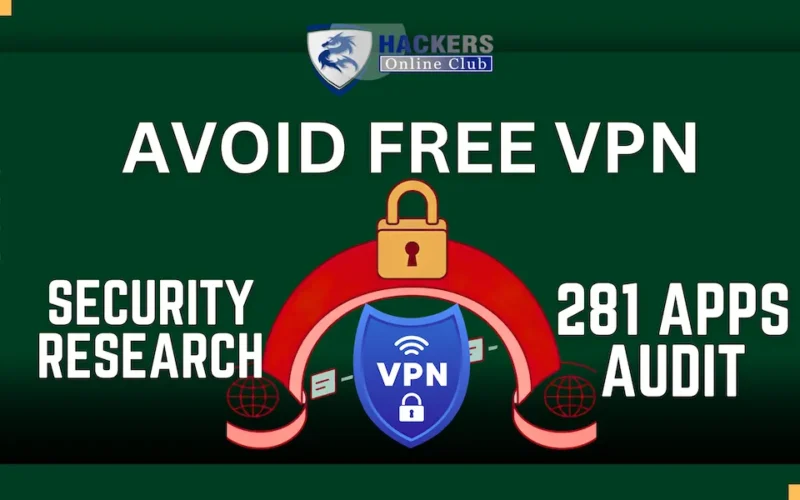
Researchers from the University of Michigan, the University of New Mexico, and IIT Delhi recently presented a paper at the prestigious NDSS Symposium. Using a powerful new automated testing tool called MVPNalyzer, the team audited 281 free Android VPN apps from the Google Play Store.
The findings are a wake-up call for mobile privacy, many of these apps fail to meet even the most basic cybersecurity standards, with some exposing users to the hackers they’re supposed to protect them from.
Key Points
- Massive Scale: The apps caught with severe security flaws have been downloaded a combined 2.4 billion times from the Google Play Store.
- The Plain Text Trap: 61 apps send internet traffic completely unencrypted or outside the secure VPN tunnel.
- Tunnel Hijacking: Five apps send their internal setup files over an unencrypted connection. This allows a hacker on the same network to intercept the file, redirect the app, and take control of the entire connection.
- Invisible Leaks: 29 apps leak direct browser traffic and DNS queries—the digital breadcrumbs that show exactly which websites you are trying to visit.
- Active Tracking: While promising privacy, 76 apps actively send unique device tracking IDs to outside advertising networks.
How the Flaws Put You at Risk
1. The Coffee Shop Nightmare (Tunnel Hijacking)
The most alarming discovery involves five specific VPN apps that download their configuration data using regular, unencrypted web traffic (`HTTP` instead of secure `HTTPS`).
If you connect to one of these VPNs while using public Wi-Fi at a coffee shop or airport, a hacker sitting on that same network can intercept the transfer. They can seamlessly modify the file in mid-air, tricking your VPN app into routing all of your internet data straight through a server owned by the hacker.
2. The Illusion of Privacy (DNS Leaks)
A primary reason people use a VPN is to hide their browsing history from network operators or local censors. However, the study found that 29 apps leak DNS queries.
Every time you type a website name, your phone sends a quick request to find its digital address. Because these apps fail to route those requests through the secure tunnel, anyone monitoring the network can still see a perfect list of every website you look at, even if the app screen claims you are “Fully Protected.”
3. Turning Privacy Into a Product
The study exposes a sharp double standard in the “free” VPN business model. Instead of protecting anonymity, over 80% of the tested apps (246 tools) actively talk to background data-tracking servers.
A total of 76 apps take your personal Advertising ID—a unique fingerprint attached to your physical phone—and send it to third parties alongside details like your screen size and phone model.
What Readers Should Do Now
This study proves that mobile app stores suffer from a lack of oversight, where apps can self-report their security features without verification.
To keep your mobile devices secure, follow these professional recommendations:
- Avoid “Free” VPNs: If an app is free and displays heavy pop-up ads, you are paying with your personal data. Running secure global servers costs money; free apps frequently recoup this cost by selling your network habits to advertisers.
- Look for Public Audits: Choose premium, established VPN providers that hire independent, third-party cybersecurity firms to audit their code and publicly publish the results.
- Turn Off Auto-Connect: Configure your mobile device so it does not automatically connect to open, unverified public Wi-Fi networks without your explicit permission.