



HOC Shorts |
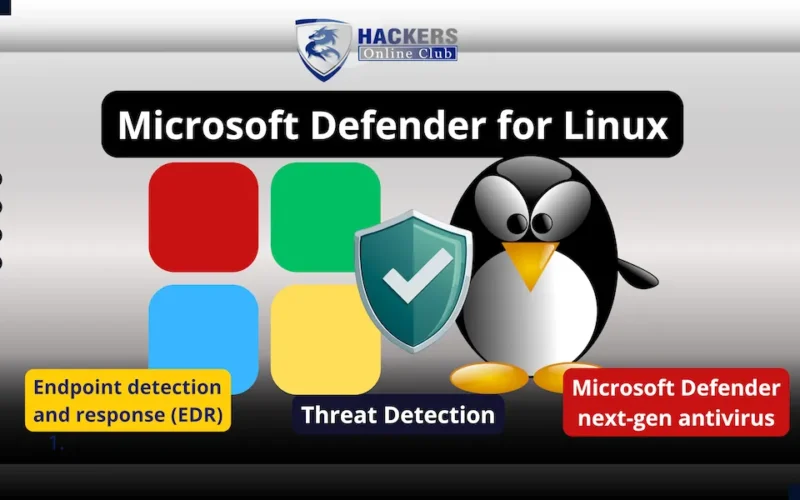
Microsoft officially expanded Microsoft Defender for Endpoint to support Linux desktops and workstations, extending enterprise-grade protection beyond server environments.
- The Target Audience: Focused primarily on developer workstations, cloud engineers, and technical personnel who utilize Linux as their daily desktop driver.
- Core Capabilities: Brings Endpoint Detection and Response (EDR), Next-Gen Antivirus, Defender Vulnerability Management, Live Response, and remote Device Isolation directly to Linux desktop distributions.
- Supported Platforms: Supports major enterprise Linux desktop environments including Ubuntu, RHEL, Debian, CentOS, Fedora, and SLES across GNOME and KDE desktop interfaces.
- Unified SOC Management: Enables Security Operations Center (SOC) teams to inventory, monitor, and respond to threats across Windows, macOS, and Linux endpoints inside a single Microsoft Defender portal.
Microsoft Defender Expands to Linux Workstations to Secure Developer Endpoints
Microsoft announced the public preview expansion of Microsoft Defender for Endpoint for Linux desktops. As enterprise engineering teams increasingly adopt Linux workstations for software development, cloud infrastructure management, and DevOps pipelines, threat actors have turned their attention toward these high-value, high-privilege endpoints.
By extending its security suite to Linux workstations, Microsoft aims to eliminate monitoring blind spots in corporate environments, allowing SOC teams to manage Linux desktops alongside Windows and macOS devices.
Why Linux Workstations Are Becoming Primary Exploitation Targets
Developer workstations often hold elevated access privileges, cloud infrastructure keys, source code repositories, and production credentials—making them ideal targets for lateral movement.
[Threat Actor Targets Linux Developer Workstation]
│
▼
[Exploits Local Misconfiguration or Compromised Package]
│
▼
[Accesses Stored Cloud Keys, SSH Certificates & Repositories]
│
▼
[Traditional SOC Lacks Visibility] ──► Defender EDR Ingests Telemetry
│
▼
[Unified Defender Portal Triggers Device Isolation & Live Response]
- High-Value Target Profile: Developers using Linux often operate with elevated root permissions and direct connectivity to production environments and CI/CD pipelines.
- Historical Blind Spots: While Linux servers in cloud data centers are typically monitored, desktop workstations used by developers are frequently unmanaged or overlooked by enterprise EDR solutions.
- Software Supply Chain Risks: Threat actors increasingly exploit developer environments via malicious open-source packages (e.g., PyPI or npm typosquatting) and direct browser-based phishing campaigns targeting developer credentials.
Key Security Capabilities Introduced
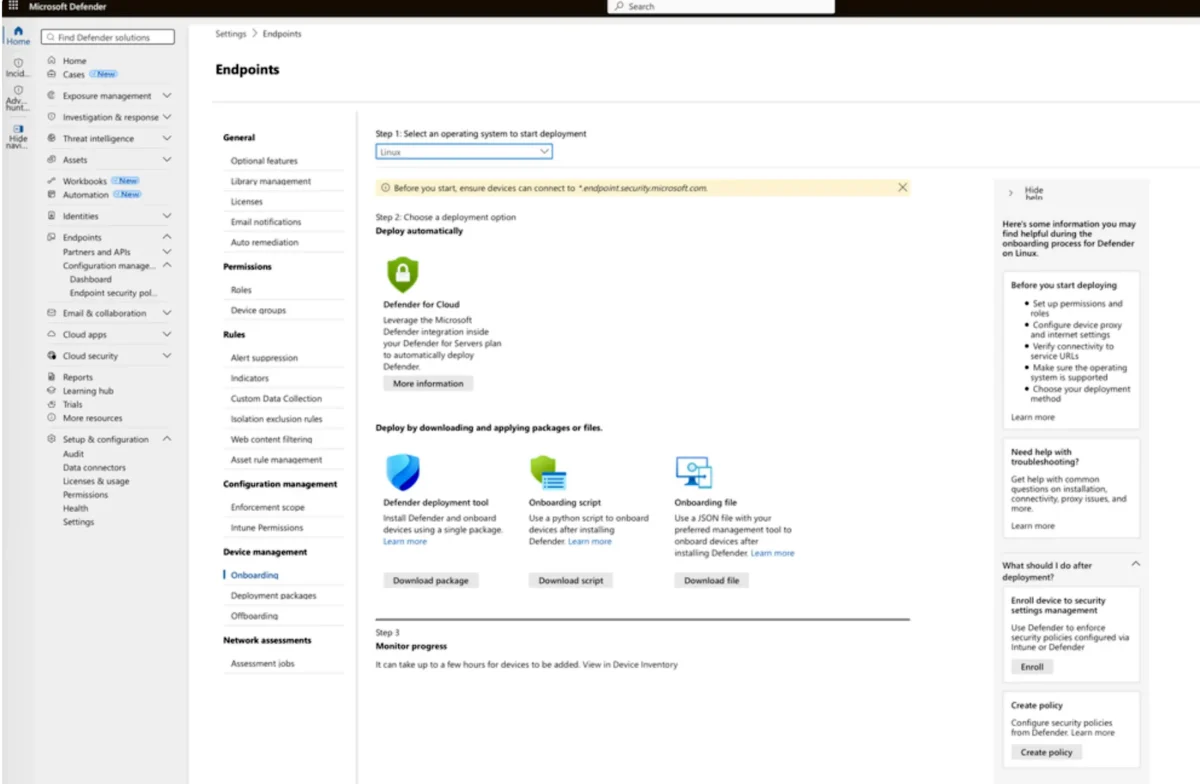
Microsoft Defender for Endpoint on Linux workstations delivers a full defensive stack structured across three main operational areas:
- Protection & Detection: Incorporates real-time Endpoint Detection and Response (EDR), Next-Generation Antivirus protection, and integrated Threat Analytics.
- Exposure Management: Provides device inventory mapping, security settings management, and automated vulnerability scanning via Microsoft Defender Vulnerability Management.
- Investigation & Response: Enables SOC analysts to execute Live Response terminal sessions, run Advanced Hunting KQL queries, and isolate compromised Linux devices from the corporate network with a single click.
Platform & Feature Comparison Matrix
| Operational Category | Supported Linux Desktop Features | Enterprise Impact |
| Distributions | Ubuntu, RHEL, Debian, CentOS, SLES, Fedora | Native support across standard engineering environments |
| Desktop Interfaces | GNOME, KDE, and major X11/Wayland environments | Seamless background agent execution without user disruption |
| Threat Management | Real-time EDR, Next-Gen Antivirus, Behavioral Analysis | Flags malicious shell activity, privilege escalation, and execution anomalies |
| SOC Operations | Unified XDR Portal, KQL Advanced Hunting, Live Response | Centralizes Linux desktop security alongside Windows & macOS |
| Prerequisites | Defender for Endpoint Plan 2 / Microsoft 365 E5/E7 | Integrates directly into existing enterprise licensing frameworks |