
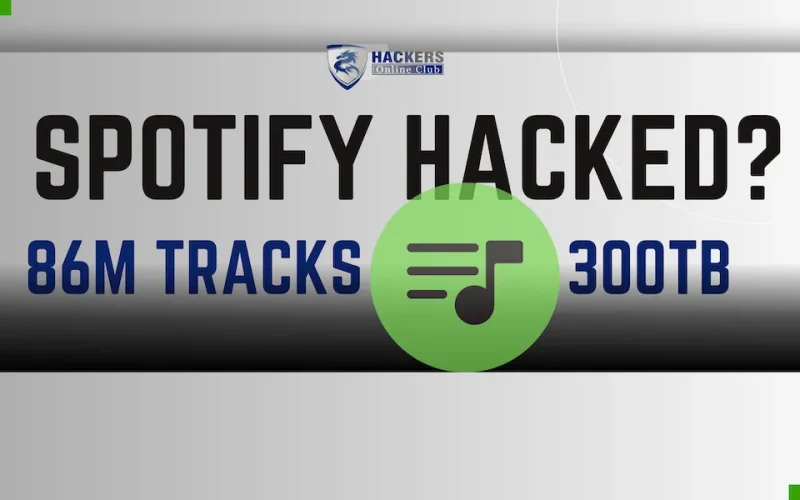
Spotify is currently making headlines as it battles a massive unauthorized data scrape. A group known as Anna’s Archive has successfully bypassed digital protections to copy nearly the entire Spotify music library.
If you are a Spotify user, here is the breakdown of what happened, the impact on your data, and how to stay secure.
What Happened? The “Anna’s Archive” Breach
In late December 2025, the shadow library Anna’s Archive announced it had successfully “scraped” Spotify at scale. Using a series of third-party accounts, the group bypassed Spotify’s Digital Rights Management (DRM)—the technology intended to prevent music piracy.
The group claims they did this for “preservation,” creating what they call the world’s first open music archive. However, Spotify has labeled this as unlawful scraping and an “anti-copyright attack.”
| Metric | Claim/Estimate |
|---|---|
| Total size of archive | ~300 TB of data |
| Music files scraped | ~86 million tracks |
| Metadata records harvested | ~256 million entries |
| Coverage of user listens | ~99.6% of total listens |
Key Points of the Incident:
- Scale: The dump covers roughly 99.6% of all listens on the platform.
- Method: The group used automated “nefarious” accounts to systematically rip music files over several months.
- Spotify’s Action: The company has already identified and disabled the accounts involved and implemented new security measures to prevent similar mass-scraping attempts.
Spotify’s Official Response
In public statements, Spotify has:
- Confirmed unauthorized scraping occurred
- Disabled user accounts tied to the scraping
- Implemented enhanced security safeguards
- Reiterated its commitment to protecting artist rights and copyrighted content
Spotify stressed that there is no indication of user account credential breaches, personal user data leaks, or user financial data exposure in this incident
Is Your Personal Data Safe?
The good news: Your private account information (emails, passwords, and payment details) was not the target of this specific incident.
Unlike the credential-stuffing attacks seen in early 2025, this December event was focused on the music files themselves. The only user-related data included in the scrape was information from publicly available playlists.
Note: If your playlists are set to "Private," they were likely not included in the metadata leak.
Impact: Why Does This Matter?
While your password might be safe, this breach has significant ripple effects:
- Artists & Rights Holders: This is a massive blow to the music industry. With 86 million tracks now available in a “shadow library,” artists may lose out on streaming royalties.
- AI Training: Experts worry that AI companies will use this massive, high-quality dataset to train music-generation models without permission or compensation for the original creators.
- Platform Security: This incident proves that even industry-leading DRM protections can be circumvented by persistent, automated attacks.
How to Secure Your Spotify Account?
Even though this specific “scrape” didn’t target your login, it’s a perfect reminder to audit your digital security. Security experts recommend the following steps:
- Check Your Third-Party Apps
Go to your Spotify account settings and review “Apps.” Remove any third-party services you no longer use or don’t recognize. - Enable Multi-Factor Authentication (MFA)
Ensure you have the latest version of the Spotify app. While Spotify has been slow to roll out native 2FA for all users, using a strong, unique password is your first line of defense. - Watch Out for Phishing
Hackers often use news of a “breach” to send fake security alerts. Never click on a link in an email asking you to “reset your password” unless you requested it directly through the official app.
Summary for Users
Spotify incident is a major event for the music industry, but a minor risk for individual user privacy. Your account is likely safe, but the battle between streaming platforms and “pirate” archives is just beginning.