



As businesses generate more data and rely increasingly on digital infrastructure, the need for secure, scalable, and reliable hosting solutions continues to grow. While cloud computing remains popular, many organizations are discovering that colocation offers a practical balance between control, performance, and cost efficiency. This trend is particularly evident in the growing demand for Utah colocation services.
Utah has emerged as a strategic location for data center operations due to its favorable geography, strong connectivity, business-friendly environment, and reliable infrastructure. Companies ranging from startups to large enterprises are exploring colocation solutions in the state to support critical applications and ensure business continuity.
What Is Colocation?
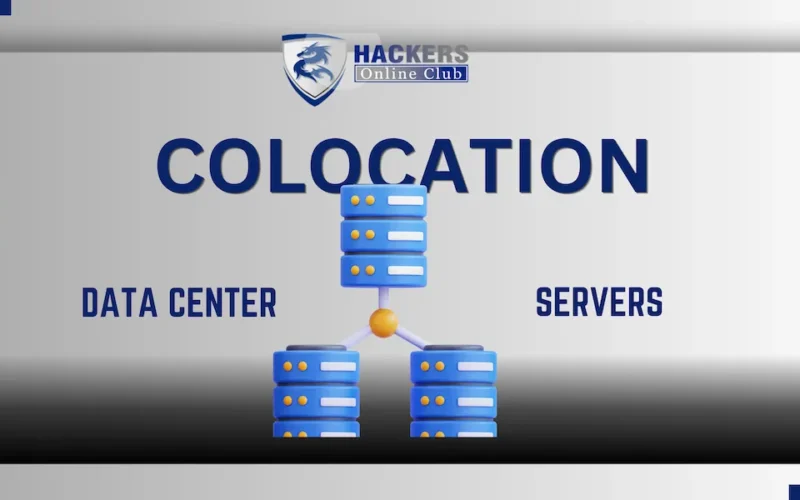
Colocation is a service that allows businesses to place their servers, networking equipment, and storage systems inside a professionally managed data center. Instead of building and maintaining an expensive private facility, organizations rent space within a secure data center while retaining ownership and control of their hardware.
The colocation provider supplies essential infrastructure such as:
- Redundant power systems
- Advanced cooling technologies
- Physical security
- Network connectivity
- Environmental monitoring
- Backup power generation
This approach enables businesses to benefit from enterprise-grade facilities without the significant costs associated with building and operating their own data centers.
Why Businesses Are Looking Beyond Traditional Server Rooms
Many organizations initially manage IT infrastructure in office server rooms or small on-site facilities. While this may work during the early stages of growth, it often becomes difficult to maintain as data requirements increase.
Common challenges include:
Limited Security
Office environments rarely provide the physical security controls available in professional data centers. Unauthorized access, theft, and environmental risks can threaten valuable business assets.
Power Reliability Concerns
Even short power outages can disrupt operations and result in lost productivity. Most office buildings lack the redundancy needed to support mission-critical systems.
Cooling Limitations
Servers generate substantial heat. As equipment density grows, maintaining proper temperatures becomes increasingly difficult and expensive.
Scalability Issues
Expanding an in-house server environment often requires additional space, power upgrades, and infrastructure investments.
Colocation addresses these challenges by providing businesses with access to facilities specifically designed to support high-performance computing environments.
Why Utah Is an Ideal Colocation Location?
Several factors contribute to the growing popularity of Utah colocation services.
Geographic Stability
Utah experiences fewer natural disasters compared to many other regions of the United States. The state has a relatively low risk of hurricanes, coastal flooding, and severe weather events that can threaten critical infrastructure.
For businesses focused on disaster recovery and uptime, this geographic advantage provides additional peace of mind.
Strong Fiber Connectivity
Reliable network connectivity is one of the most important factors when choosing a colocation facility. Utah benefits from access to major fiber routes that connect businesses to regional and national networks.
This connectivity supports low-latency performance for applications, cloud integrations, remote work environments, and customer-facing services.
Business-Friendly Environment
Utah consistently ranks among the top states for business growth and technology innovation. Its expanding technology sector has created demand for robust digital infrastructure, encouraging investment in modern data center facilities.
Cost Efficiency
Compared to many major metropolitan areas, Utah often offers lower operating costs, including power expenses and real estate costs. These savings can help businesses optimize their IT budgets while maintaining enterprise-level performance.
Key Features to Look for in a Utah Colocation Facility
Not all colocation providers offer the same level of service. Businesses should carefully evaluate facilities before making a decision.
Redundant Infrastructure
A quality colocation facility should feature multiple layers of redundancy for power, cooling, and networking systems. This helps minimize downtime and supports continuous operations.
Physical Security
Advanced security measures may include:
- 24/7 surveillance
- Biometric access controls
- Secure entry systems
- On-site security personnel
- Locked cabinets and cages
Protecting hardware is just as important as protecting digital assets.
Carrier Neutral Connectivity
Carrier-neutral facilities allow businesses to choose from multiple internet service providers and network carriers.
This flexibility improves reliability and reduces dependence on a single provider.
Scalability
A growing business should not outgrow its colocation solution. Look for providers that offer flexible expansion options, including additional rack space, cabinets, and private suites.
Technical Support
Remote hands services and around-the-clock support can be valuable for organizations that do not have local IT staff available to manage equipment on-site.
Colocation in the Age of Cloud Computing
Some organizations assume cloud services have eliminated the need for colocation. In reality, many businesses are adopting hybrid infrastructure strategies that combine cloud resources with colocated hardware.
This approach offers several benefits:
- Greater control over sensitive data
- Improved performance for specific workloads
- Reduced long-term infrastructure costs
- Better compliance management
- Enhanced disaster recovery capabilities
Colocation often serves as a bridge between traditional IT environments and modern cloud architectures.
Conclusion
As businesses continue to depend on reliable digital infrastructure, the demand for secure and scalable hosting solutions will only increase. Utah’s strong connectivity, geographic advantages, and business-friendly environment make it an attractive destination for organizations seeking dependable colocation services.
Whether a company is looking to improve uptime, enhance security, reduce infrastructure costs, or support future growth, Utah colocation offers a practical solution. By leveraging professional data center facilities, businesses can focus on innovation and operations while ensuring their critical systems remain secure, connected, and available around the clock.