

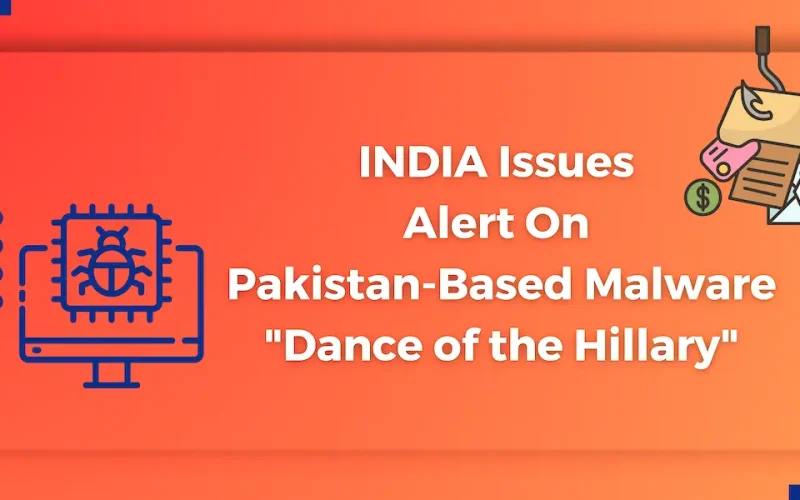
Indian security agencies have issued a high-level alert regarding a sophisticated new malware campaign dubbed “Dance of the Hillary.” Preliminary investigations indicate that the malware is being spread from Pakistan, raising serious national security concerns.
The malware exhibits advanced capabilities for espionage, data exfiltration, and potentially disruptive cyberattacks targeting critical infrastructure and government entities within India. It could be spread through WhatsApp, Facebook, and other social network platforms.
The malware spread amid rising India-Pakistan tensions.
Key Points:
- Malware Name: “Dance of the Hillary” – The origin of this codename is currently under investigation.
- Origin: Initial forensic analysis strongly suggests the malware’s command and control (C2) servers and distribution networks are based in Pakistan.
- Target: The primary targets appear to be Indian government organizations, defense establishments, financial institutions, and critical infrastructure sectors such as energy and telecommunications.
Attack Vectors: The malware is reportedly being spread through various methods, including:
- Spear-phishing emails: Highly targeted emails containing malicious attachments (e.g., PDF, DOCX) or links that, when clicked, download and install the malware. These emails often employ social engineering tactics to appear legitimate and trustworthy.
- Watering hole attacks: Compromising legitimate websites frequently visited by the intended targets to silently install the malware on their systems.
- Supply chain attacks: Potentially compromising software or hardware vendors to inject the malware into their products before they reach the end-users.
- USB drives: Infected USB drives being physically introduced into targeted networks.
Capabilities: “Dance of the Hillary” possesses a range of dangerous functionalities, including:
- Remote Access Trojan (RAT): Allowing attackers to gain complete control over infected systems, enabling them to execute commands, browse files, and monitor user activity.
- Keylogging: Recording keystrokes to steal sensitive information such as passwords, login credentials, and confidential communications.
- Data Exfiltration: Secretly copying and transmitting sensitive data, including classified documents, financial records, and personal information, to remote servers controlled by the attackers.
- Lateral Movement: The ability to spread within a compromised network to infect other vulnerable systems.
- Persistence Mechanisms: Techniques to ensure the malware remains active on infected systems even after reboots or security updates.
- Anti-analysis techniques: Methods to evade detection by antivirus software and security analysts, making it harder to identify and remove.
Impact:
The potential impact of the “Dance of the Hillary” malware campaign is significant and poses a serious threat to India’s national security and economic stability. Potential consequences include:
- Espionage: Theft of highly sensitive government and defense information, compromising national security interests.
- Disruption of Critical Infrastructure: Potential for cyberattacks on energy grids, communication networks, and financial systems, leading to widespread outages and economic damage.
- Financial Losses: Theft of funds from financial institutions and individuals, as well as disruption of financial transactions.
- Reputational Damage: Loss of public trust in government institutions and critical infrastructure providers.
- Data Breaches: Exposure of personal and confidential data of citizens, leading to privacy violations and potential identity theft.
Users Precaution:
Authorities are urging all individuals and organizations in INDIA to take immediate and stringent precautions to protect themselves from the “Dance of the Hillary” malware. Recommended measures include:
- Verify Every Online Activity: Be extremely cautious of unknown emails, especially those with attachments or links. Verify the sender’s identity through alternative means before opening anything. Do not open unknown link from WhatsApp, Facebook, Telegram.
- Strong Passwords and Multi-Factor Authentication (MFA): Use strong, unique passwords for all accounts and enable MFA wherever possible to add an extra layer of security.
- Software Updates: Ensure all operating systems, applications, and security software (antivirus, anti-malware) are up-to-date with the latest patches and security updates.
- Endpoint Detection and Response (EDR) Solutions: Organizations should deploy and maintain robust EDR solutions that can detect and respond to sophisticated threats like “Dance of the Hillary.”
- Network Segmentation: Implement network segmentation to limit the spread of malware within an organization’s network in case of a breach.
- Regular Backups: Regularly back up critical data to an external, offline storage to ensure recovery in case of a ransomware attack or data loss.
- Security Awareness Training: Conduct regular security awareness training for all employees to educate them about the latest cyber threats and best practices for staying safe online. Emphasize the dangers of social engineering and phishing attacks.
- Disable Macros: Disable macros in Microsoft Office applications by default, as they are often used to spread malware.
- Restrict USB Usage: Exercise caution when using external storage devices like USB drives, as they can be a vector for malware infection. Scan them thoroughly with antivirus software before opening any files.
- Report Suspicious Activity: Individuals and organizations should promptly report any suspicious cyber activity to the relevant authorities, such as CERT-In (Indian Computer Emergency Response Team).
Ongoing Investigation and Response:
Indian intelligence agencies and cybersecurity experts are actively working to analyze the “Dance of the Hillary” malware, identify the threat actors involved, and develop effective countermeasures. Collaboration with international cybersecurity organizations is also underway to share information and coordinate response efforts. The government has assured that all necessary resources are being deployed to mitigate the threat and protect the nation’s digital infrastructure.
This is a developing situation, and further updates will be provided as more information becomes available. Citizens and organizations are urged to remain vigilant and implement the recommended security precautions diligently.
Punjab police tweeted,
Cyber Alert: Pakistan-Based Malware Threat
A dangerous malware named “Dance of the Hillary” is being spread by Pakistan-based hackers targeting Indian users via WhatsApp, Facebook & Email.
⚠️ This malware can steal your banking info, passwords & personal data, and may… pic.twitter.com/49kOjQ03ZQ
— Punjab Police India (@PunjabPoliceInd) May 12, 2025