

DMARC Lookup Tool
Check DMARC records for any domain. Validate syntax, policy, and external validation. Free, instant, and accurate DMARC record checker.
Enter a domain (e.g., google.com) to check its DMARC record
DMARC Record for
DMARC Tags
Validation Tests
Why Check DMARC Records?
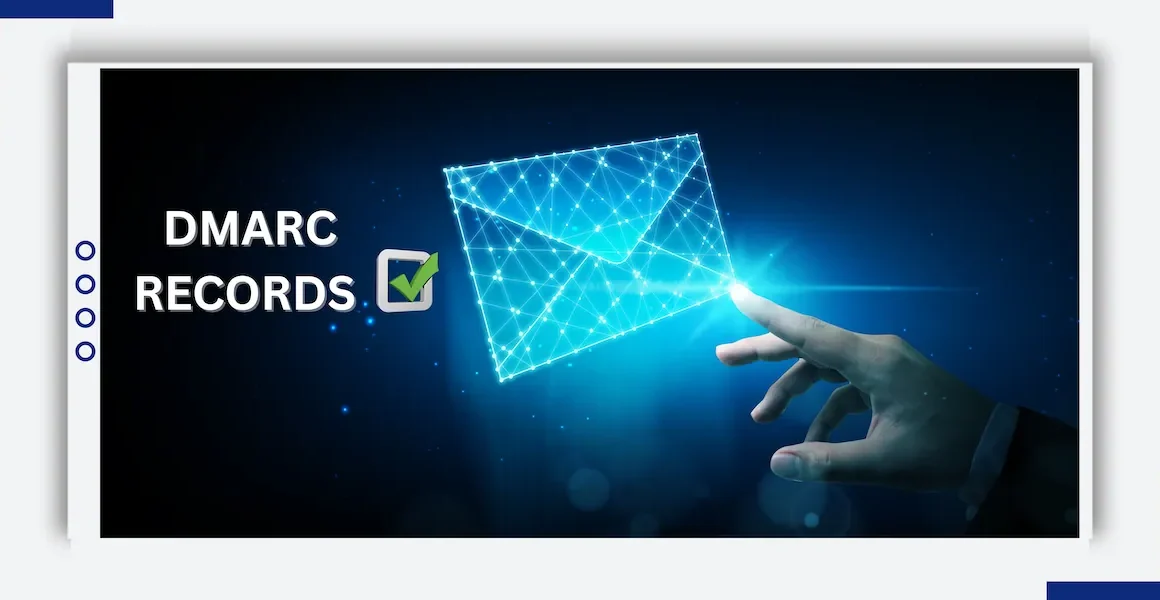
DMARC (Domain-based Message Authentication, Reporting & Conformance) is an email authentication protocol that helps prevent email spoofing and phishing attacks. Checking your DMARC record ensures your email infrastructure is properly configured.
Common reasons to check DMARC records:
- Before implementing DMARC: Validate your record syntax and policy
- After making changes: Confirm your updates are working correctly
- When experiencing email delivery issues: Verify your DMARC policy isn't too strict
- For compliance: Many organizations require DMARC for email security
Note: This tool performs real-time DNS lookups to retrieve DMARC records directly from the domain's DNS servers.
Frequently Asked Questions
What is DMARC?
DMARC (Domain-based Message Authentication, Reporting & Conformance) is an email authentication protocol that builds on SPF and DKIM to help protect against email spoofing and phishing. It allows domain owners to specify how email receivers should handle emails that fail SPF or DKIM checks.
What do the DMARC policy values mean?
The DMARC policy (p=) can have three values:
- none: Monitor only (no action taken)
- quarantine: Send suspicious emails to spam/junk folder
- reject: Reject suspicious emails outright
Why is DMARC important for email deliverability?
DMARC helps improve email deliverability by proving to email providers that your emails are legitimate. Without proper DMARC configuration, your emails may be marked as spam or rejected by major email providers like Gmail, Outlook, and Yahoo.
Can this tool check SPF and DKIM records too?
This tool focuses specifically on DMARC records. For SPF and DKIM validation, you would need separate tools. However, DMARC relies on both SPF and DKIM, so a valid DMARC record requires those protocols to be properly configured first.